January 14, 2026
History of Coffee from Ancient Origins to Modern Coffee Culture

Millions of people start their day with coffee, yet very few know where it actually comes from or how its journey began. We enjoy the taste, the energy, and the comfort it brings, but the history of coffee is often overlooked. Long before modern cafés existed, coffee traveled across continents, cultures, and centuries to reach our cups. Understanding its history helps us appreciate coffee beyond just a daily habit.
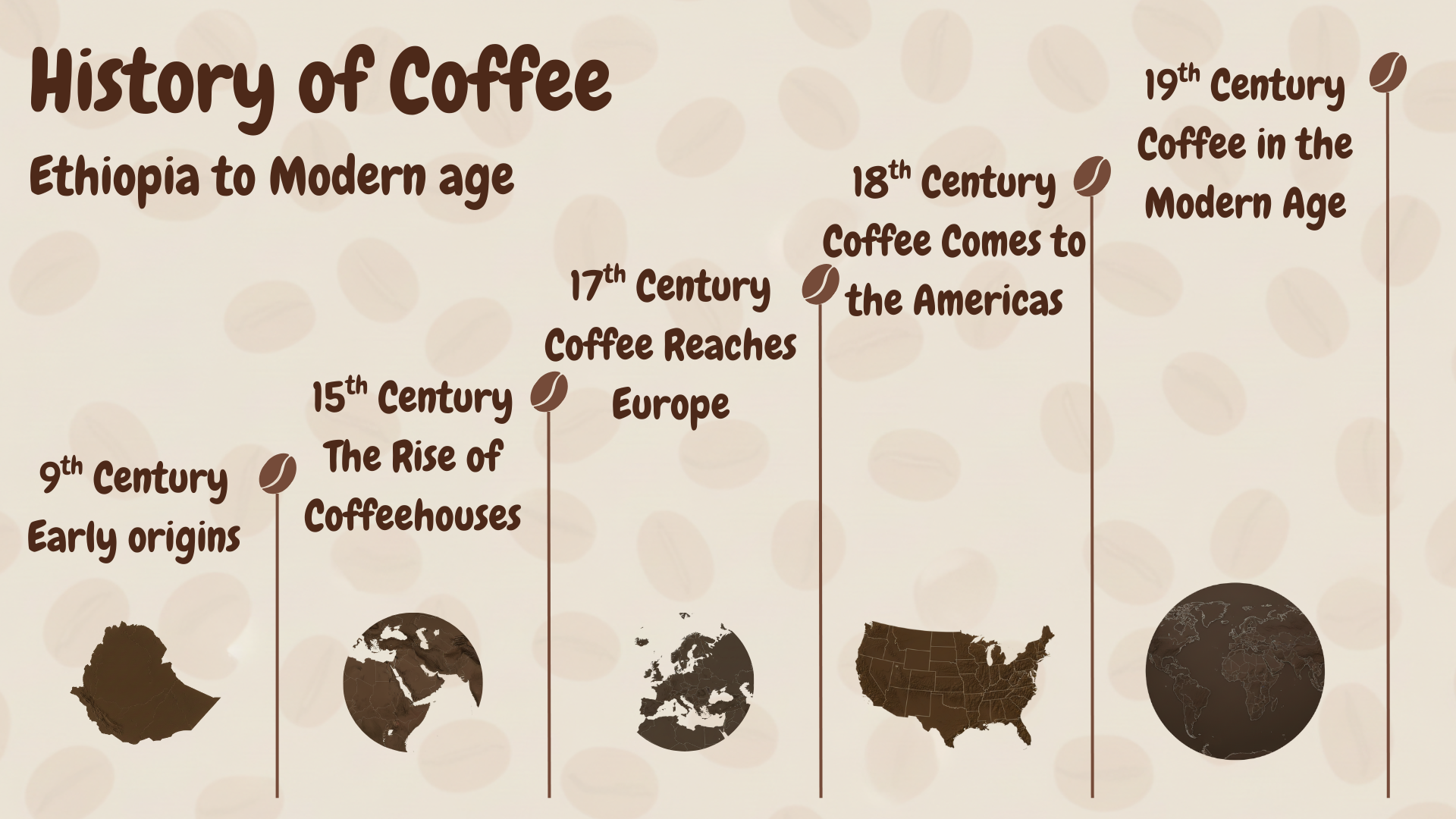
| Century | Region | Key Development in Coffee History |
|---|---|---|
| 9th Century | Ethiopia | Discovery of coffee beans |
| 15th Century | Yemen & Arabia | First coffee cultivation |
| 17th Century | Europe | Coffee introduced via trade |
| 18th Century | Americas | Coffee plantations expand |
| 19th–20th Century | Worldwide | Industrialization, instant coffee, espresso machines |
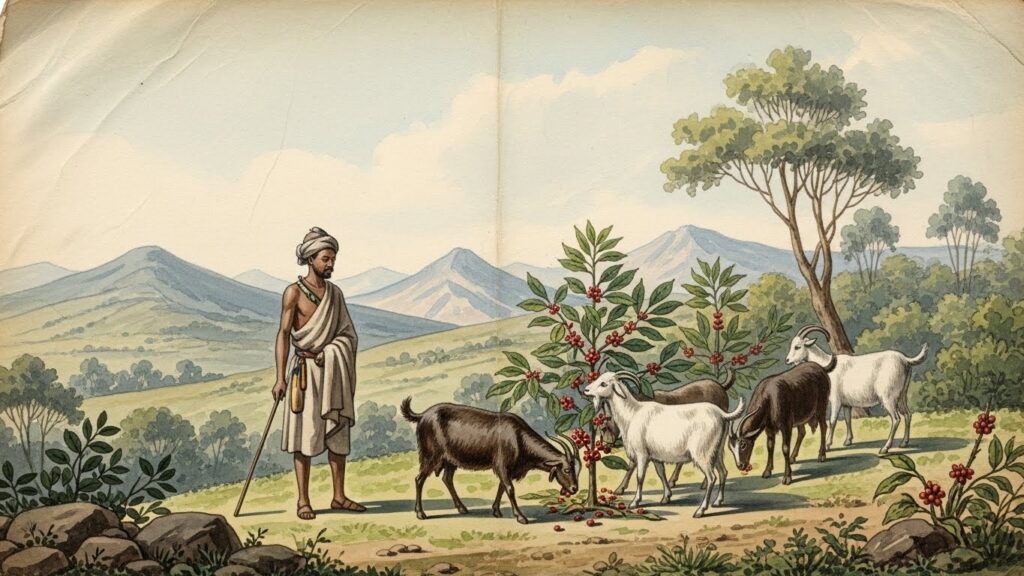
The history of coffee begins in the 9th century in Ethiopia, where coffee plants grew naturally in the highland regions. Early communities noticed that eating coffee cherries increased energy and alertness. At this time, coffee was not brewed as a drink! Instead, people crushed the beans and mixed them with animal fat to create energy-rich food for long journeys and physical work.
Over time, people discovered that roasting and boiling the beans created a warm, stimulating drink. This marked the earliest form of coffee consumption. The drink slowly became part of daily life, valued for keeping people awake and focused. These early uses laid the foundation for coffee’s cultural and practical importance in the centuries that followed.
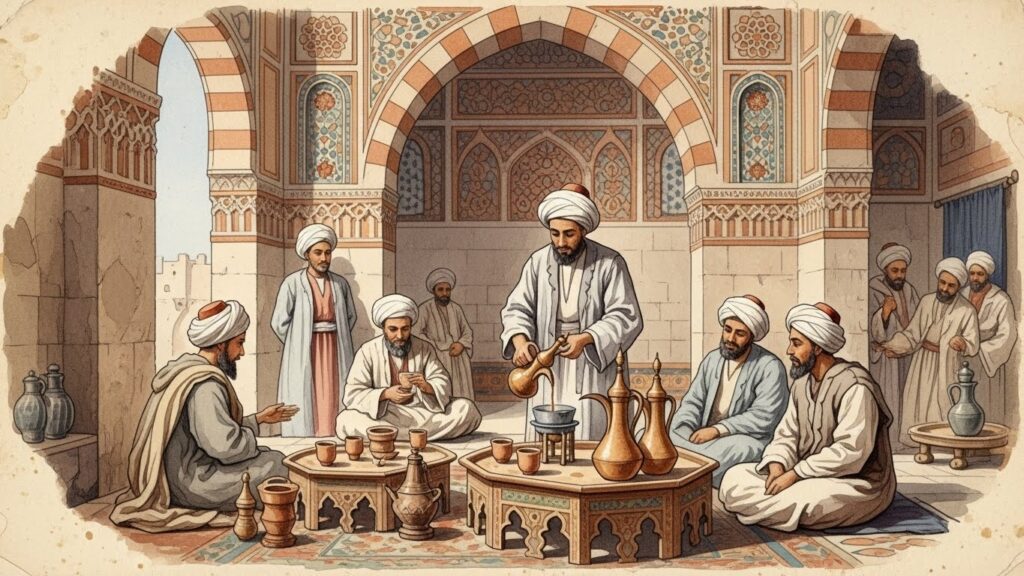
By the 15th century, coffee had crossed the Red Sea and reached Yemen, where it was first cultivated on a large scale. Religious scholars and Sufi monks played an important role in spreading coffee, as they drank it to stay awake during long hours of prayer and spiritual practices. Coffee quickly became a valued drink within religious and social communities.
As demand grew, coffeehouses began appearing in Yemeni cities. These places allowed people to gather, talk, and exchange ideas. The port city of Mocha became the center of the global coffee trade. From here, coffee was exported across the Arabian Peninsula, helping establish its reputation as a popular and respected beverage.
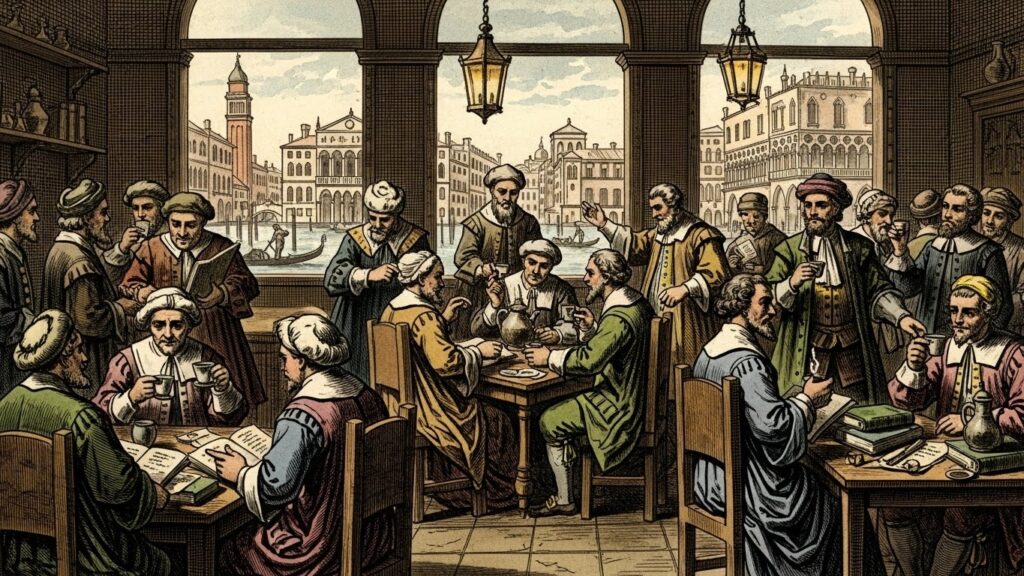
In the 17th century, coffee reached Europe through trade routes, especially via Venice. At first, many Europeans were suspicious of coffee, calling it a strange and bitter drink. However, once people experienced its energizing effects, coffee quickly gained popularity among merchants, travelers, and scholars.
Coffeehouses soon opened across major European cities. These places became centers for discussion, learning, and business. Writers, scientists, and politicians gathered there to exchange ideas, leading coffeehouses to be known as spaces of intellectual growth. This period helped establish coffee as a social and cultural symbol in Europe.
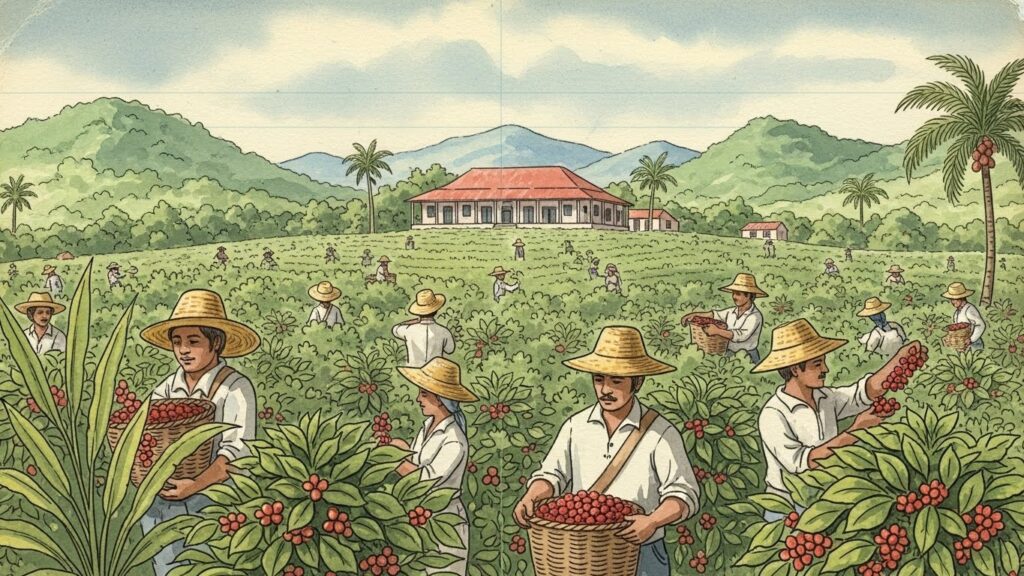
During the 18th century, coffee plants were introduced to the Americas by European colonists. The climate in many regions proved ideal for coffee farming, allowing production to expand rapidly. Large plantations were established, turning coffee into an important agricultural product and export commodity.
Countries like Brazil began producing coffee on a massive scale. Coffee soon became deeply connected to global trade and economic growth. This expansion helped transform coffee from a regional drink into a worldwide beverage consumed by people across different cultures.
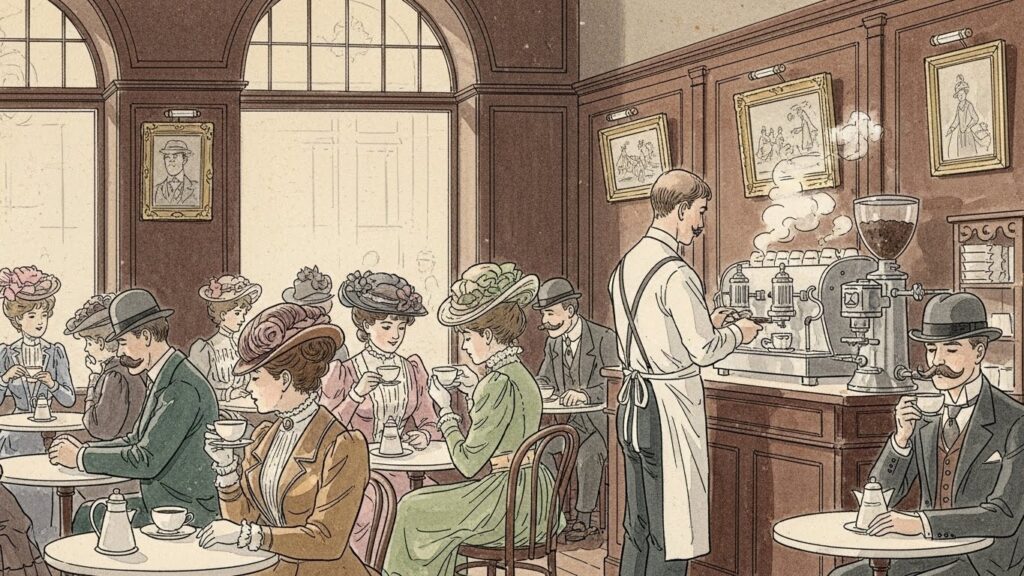
In the 19th century, coffee became a daily necessity, especially during the Industrial Revolution. Factory workers and laborers relied on coffee for energy during long working hours. As demand increased, new brewing techniques and tools were developed to make coffee more accessible and convenient.
By the 20th century, innovations such as instant coffee and espresso machines changed how coffee was prepared and enjoyed. Cafés became common social spaces, and coffee culture continued to grow worldwide. Coffee was no longer just a drink,it became part of the modern lifestyle and routine.
In the 21st century, coffee has become part of a health-focused lifestyle rather than just a source of caffeine. Many people now choose low-sugar, plant-based, or functional coffee options, including mushroom coffee, bulletproof coffee, and antioxidant-rich blends. Coffee is often linked with fitness, productivity, and mental focus, making it popular among health-conscious consumers and professionals alike.
Social media has also transformed how people experience coffee. Platforms like Instagram, TikTok, and YouTube have turned coffee into a visual and cultural trend, with aesthetic cafés, home brewing videos, and viral recipes gaining massive attention. Coffee is now a social statement as much as a drink. shared online, discussed in communities, and constantly reinvented. This modern phase shows how coffee continues to adapt to changing lifestyles while remaining deeply loved worldwide.
Coffee was first discovered in the 9th century in Ethiopia, where coffee plants grew naturally. Early communities noticed its energizing effects long before modern brewing methods existed.
According to the history of coffee, a goat herder named Kaldi noticed his goats became energetic after eating coffee cherries. This discovery led people to experiment with the beans and create early coffee drinks.
Coffee spread from Ethiopia to Yemen, then across the Middle East, Europe, and the Americas through trade routes. Merchants, travelers, and colonists played a major role in its global expansion.
Coffee became popular in the United States during the 18th century and grew rapidly after the Boston Tea Party. Over time, it became a daily habit and a key part of American culture.
Coffee is grown in tropical regions, where beans develop inside coffee cherries. These cherries are hand-picked or machine-harvested, then processed, dried, and roasted.
Coffee comes from fruit, not beans. It was originally eaten, not drunk. Brazil is the largest producer. Coffee can improve focus. There are over 100 coffee species.
Before coffee, people mainly drank water, herbal teas, wine, beer, and fermented beverages. These drinks were often safer than untreated water.
Coffee originated in Ethiopia, but Yemen was the first place to cultivate and trade coffee widely.
Coffee beans come from the fruit of the coffee plant and were first used in the 9th century. Early users ate or brewed them for energy before roasting became common.
The coffee timeline starts in 9th-century Ethiopia, moves to Yemen in the 15th century, reaches Europe in the 17th century, and spreads worldwide by the 18th century.
Coffee spread from Africa to the Middle East, Europe, and the Americas through trade and colonization. Over centuries, it became one of the world’s most consumed beverages.
The origin country of coffee is Ethiopia, where coffee plants naturally grew before spreading globally.
Yes, many books explore the history of coffee, covering its origins, trade, and cultural impact. These books explain how coffee shaped societies and global economies.
From its discovery in ancient lands to its place in modern lifestyles, coffee has traveled a long and fascinating journey. What started as a simple energy source slowly became a cultural, social, and global phenomenon enjoyed by millions every day.
If you want more coffee information, make sure to check our blog daily and share it with your friends.





One thought on "History of Coffee from Ancient Origins to Modern Coffee Culture"