January 3, 2026
What Is Coffee? Its History, Culture, and Nutritional Value


What if I told you that most people don’t just drink coffee anymore, they experiment with it, film it, remix it, and turn it into a trend? From DIY lattes at home to viral coffee recipes on social media, coffee has become an evergreen part of modern culture. It is one of the most loved beverages in the world and a favorite for millions of people across America.
Coffee is a drink made by brewing coffee beans, which come from the fruit of the coffee plant. People drink it because of its caffeine content and flavor, and it is the most popular beverage in the world.
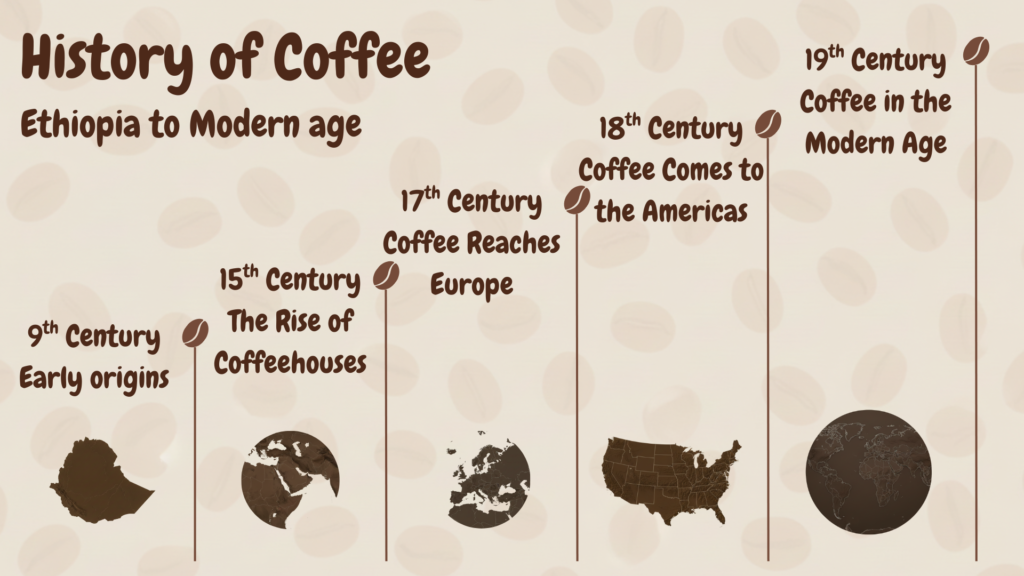
Coffee is believed to have originated in Ethiopia, where coffee plants were first discovered. The beans were later taken to the Arabian Peninsula, where people began roasting and brewing them as a drink.
Coffee became popular in the Middle East, especially in cities across Arabia, where public coffeehouses began to appear. These places quickly became centers for conversation, social life, and sharing ideas.
By the 1600s, coffee had reached Europe through trade routes. Coffeehouses opened in major cities and became meeting places for writers, thinkers, and merchants, helping coffee gain popularity across the continent.
Coffee was introduced to the Americas through European settlers. As coffee farms expanded, the drink became more widely available and started to play a role in daily life across the region.
With industrial growth and global trade, coffee became one of the most consumed drinks in the world. Today, coffee is part of everyday routines, café culture, and modern trends, especially in countries like the United States.
Coffee is more than just a beverage around the world, it is a social habit. In many countries, people gather over coffee to talk, work, or relax. From small neighborhood cafés to busy city coffeehouses, coffee often brings people together and plays a role in daily routines.
In the United States, coffee has become a part of everyday life. Many people start their day with a cup of coffee at home, on the way to work, or from a local café. Over time, American coffee culture has grown from simple coffee to a wide range of drinks, flavors, and different styles. Top coffee brands such as Starbucks and Dunkin’ helped make coffee more accessible and popular across the country.
| Coffee Type | How It’s Made | Taste Profile |
|---|---|---|
| Espresso | Strong coffee made by forcing hot water through finely ground beans | Bold and concentrated |
| Americano | Espresso mixed with hot water | Smooth with a lighter strength |
| Cappuccino | Espresso with steamed milk and milk foam | Creamy with a balanced coffee taste |
| Latte | Espresso with more steamed milk and a thin foam layer | Mild and milky |
| Mocha | Latte combined with chocolate | Sweet with a coffee-chocolate flavor |
⚠️ These values apply to black coffee only
| Nutrient | Amount |
|---|---|
| Calories (kcal) | 2 |
| Carbohydrates | 0 g |
| Sugar | 0 g |
| Protein | 0.3 g |
| Fat | 0 g |
| Fiber | 0 g |
| Caffeine | 80–100 mg |
| Sodium | 5 mg |
| Potassium | 115 mg |
A regular cup of coffee (about 240 ml) contains 80–100 mg of caffeine, depending on the beans and brewing method.
Yes, coffee can be good for you when consumed in moderation. It may help improve focus and contains antioxidants, but too much caffeine can cause side effects for some people.
Pregnant women are usually advised to limit caffeine intake. Most health guidelines suggest no more than 200 mg of caffeine per day, which is about one small cup of coffee.
Coffee may cause a temporary increase in blood pressure, especially in people who are sensitive to caffeine. Regular coffee drinkers often experience less of this effect.
Coffee is a drink made by brewing roasted coffee beans with water. People drink it for its taste and energy-boosting effect.
Common types of coffee include espresso, latte, cappuccino, americano, and mocha.
Coffee originated in Ethiopia, where coffee plants were first discovered growing naturally.
Coffee is more than just a drink, it is part of daily life, culture, and tradition for people around the world. From its simple origins to modern trends, coffee continues to connect people through taste, routine, and shared moments. Whether enjoyed at home or in a café, coffee remains one of the most loved beverages globally.
If you want more coffee information, make sure to check our blog daily and share it with your friends.





6 thoughts on "What Is Coffee? Its History, Culture, and Nutritional Value"